Estate Planning

Estate planning is about deciding how you want your affairs handled if you become unable to make certain decisions yourself, and what should happen to your property after your death. The process can involve more than writing a will. Depending on your circumstances, you may also want to plan for financial decisions, medical care, property ownership, and the transfer of assets to family members or other beneficiaries.

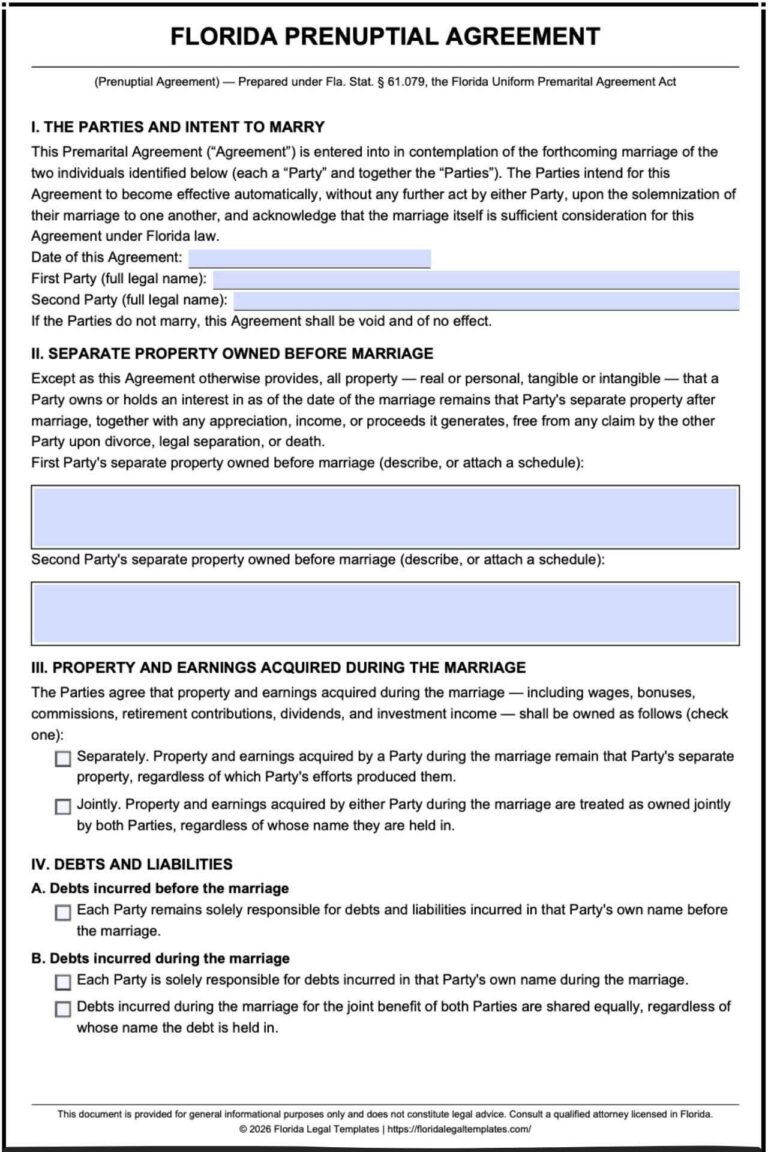
Florida has different legal documents for these purposes, and each serves a specific role. A last will and testament explains how you want your estate distributed, while a power of attorney can authorize another person to handle certain matters on your behalf. A living will addresses particular medical decisions, and a revocable living trust may help manage assets during your lifetime and provide instructions for their distribution. The right documents depend on your family, finances, property, and wishes.

This collection brings together Florida estate planning forms and guides to help you understand these options and the requirements to consider before completing a document.

Choosing the Right Estate Planning Document

Start by identifying what you want to plan for. If your main concern is what happens to your property after your death, a last will and testament may be an important starting point. You can also explore our guide to Florida revocable living trusts to understand how a trust differs from a will and how it may fit into an estate plan.

If you want someone to handle financial or legal matters on your behalf, review the Florida power of attorney resources. Different documents may address general financial authority, durable authority, medical decisions, or specific vehicle-related transactions. A Florida health care surrogate designation and a durable financial power of attorney do not serve the same purpose, so it is important to choose a document that matches the authority you want to grant.

For healthcare planning, our guides to Florida living wills and health care surrogate forms explain documents used to communicate medical wishes and designate someone to make certain healthcare decisions when legally authorized.

Wills, Trusts, and Probate in Florida

A will records your instructions for the distribution of property after death and may nominate a personal representative to administer your estate. However, a will does not necessarily allow assets to pass directly to beneficiaries without a court process. Whether probate is required depends on the assets involved, how they are owned, and other applicable circumstances.

A revocable living trust is another estate planning tool. Depending on how it is established and funded, it can provide a way to manage trust assets during your lifetime and specify how those assets should be handled later. Creating a trust alone does not automatically transfer every asset into it, so ownership and beneficiary arrangements matter.

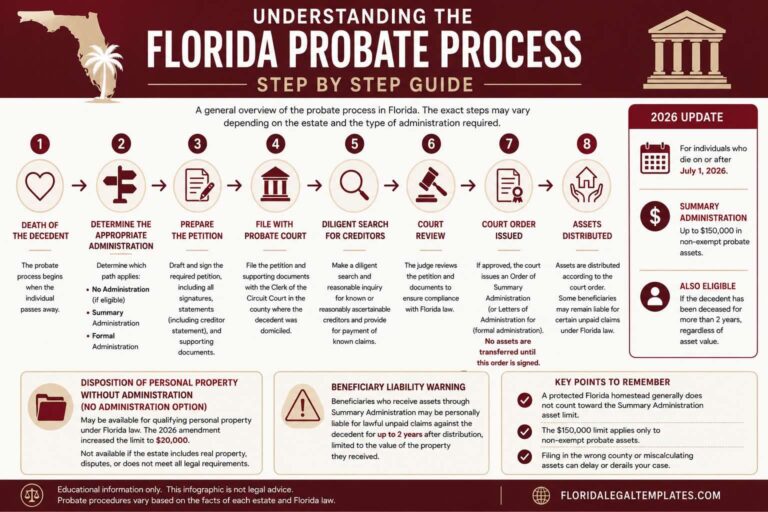
Florida also has different probate procedures, depending on the estate and whether it meets the applicable requirements. Our guide to the Florida probate process explains the general steps involved and introduces the differences between common probate procedures.

Florida’s summary administration procedure may be available when the estate subject to administration, after excluding property exempt from creditors’ claims, is valued at $150,000 or less, or when the decedent has been dead for more than two years, subject to the other requirements in Fla. Stat. § 735.201. Florida homestead property also has special inheritance restrictions under Fla. Stat. § 732.4015, particularly when the owner is survived by a spouse or minor child. These rules can affect whether a particular estate plan will work as intended.

Powers of Attorney and Healthcare Planning

Estate planning also involves decisions that may arise while you are alive. A properly prepared power of attorney can authorize an agent to handle specified financial or legal matters, subject to the document’s terms and applicable law. Because this authority can have significant consequences, choose an agent carefully and understand which powers the document grants.

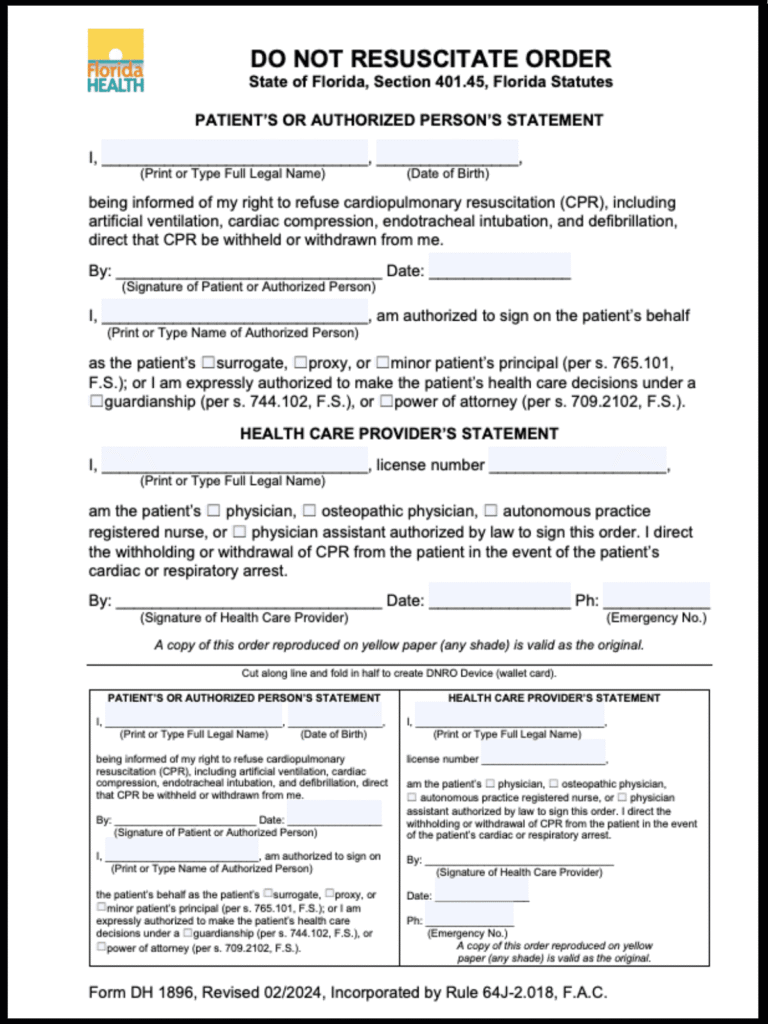
Healthcare planning uses different documents. A Florida health care surrogate designation allows you to name someone to make healthcare decisions when authorized under applicable law. A living will communicates your wishes about certain life-prolonging procedures in the circumstances covered by Florida law. These documents address different aspects of medical decision-making and should not be treated as interchangeable.

Signing requirements matter. Florida law sets specific execution requirements for powers of attorney and other estate planning documents. Notarization, witnesses, and other formalities may vary by document, so review the rules that apply to the form you intend to use before signing it.

Florida Deeds and Property Transfers

Property ownership is another important part of estate planning. The way real estate is titled can affect what happens to it when an owner dies, and certain deeds may be used to transfer or arrange interests in property. Florida deed types differ in the interests and warranties they provide.

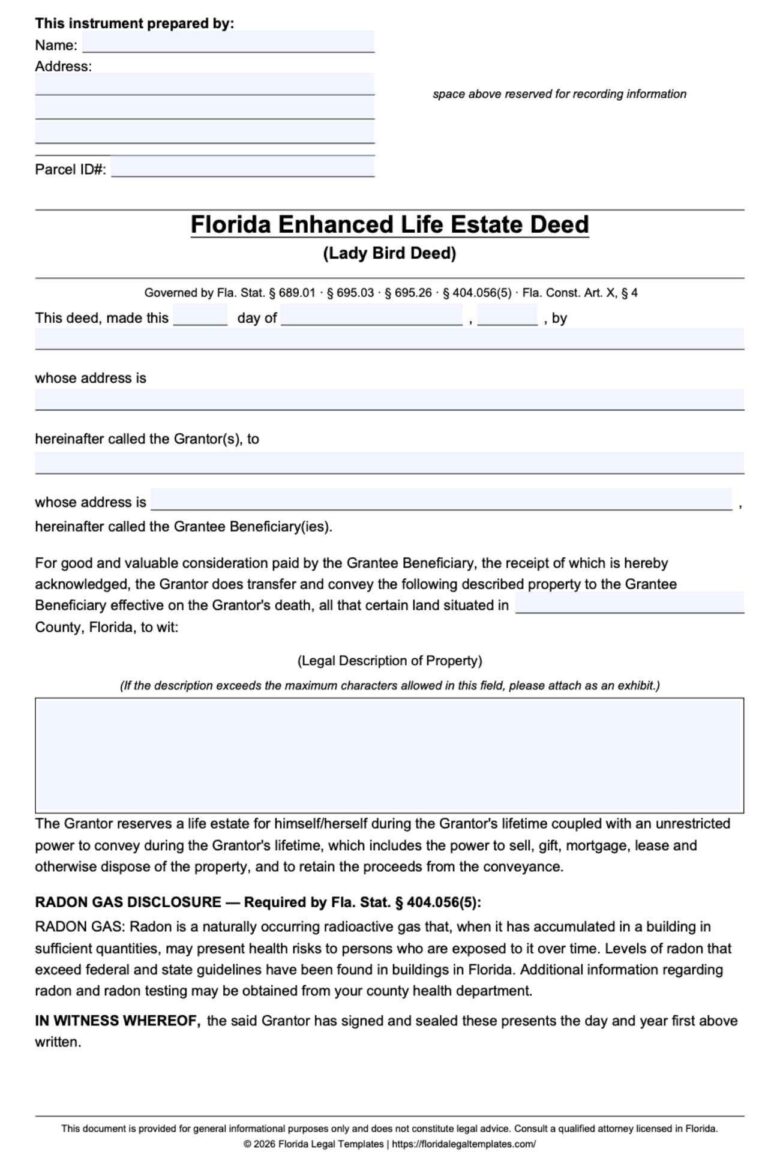
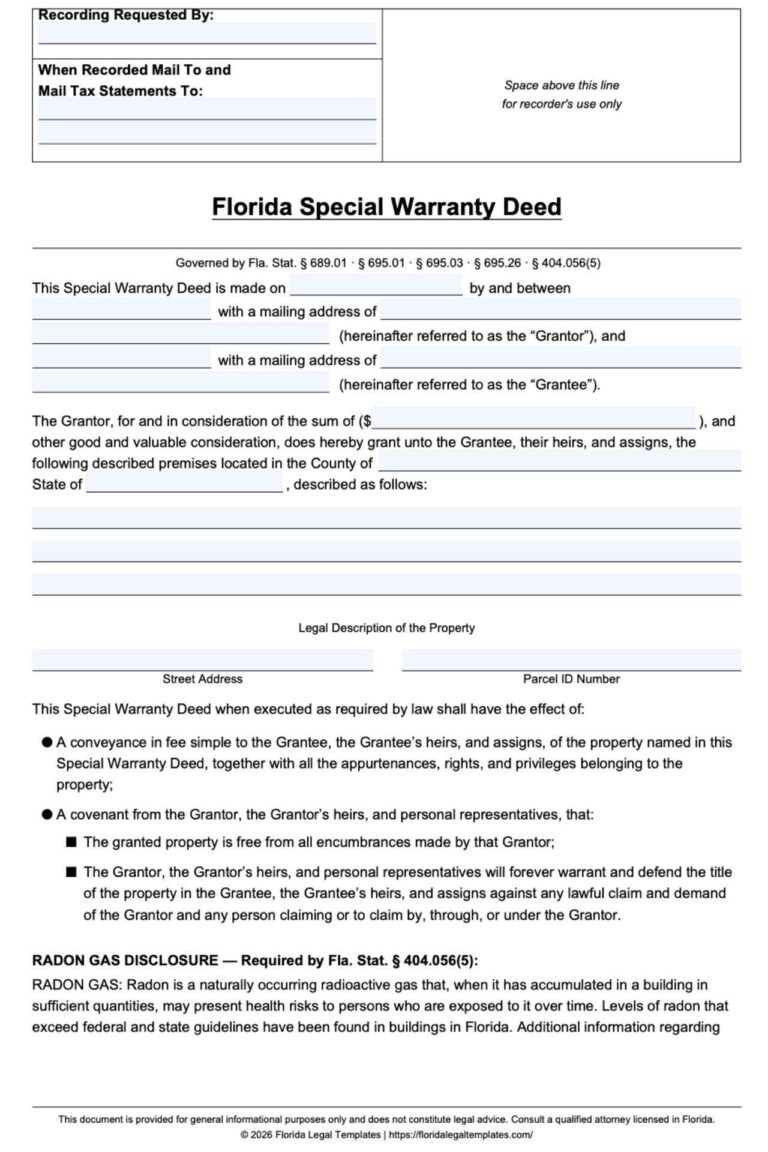
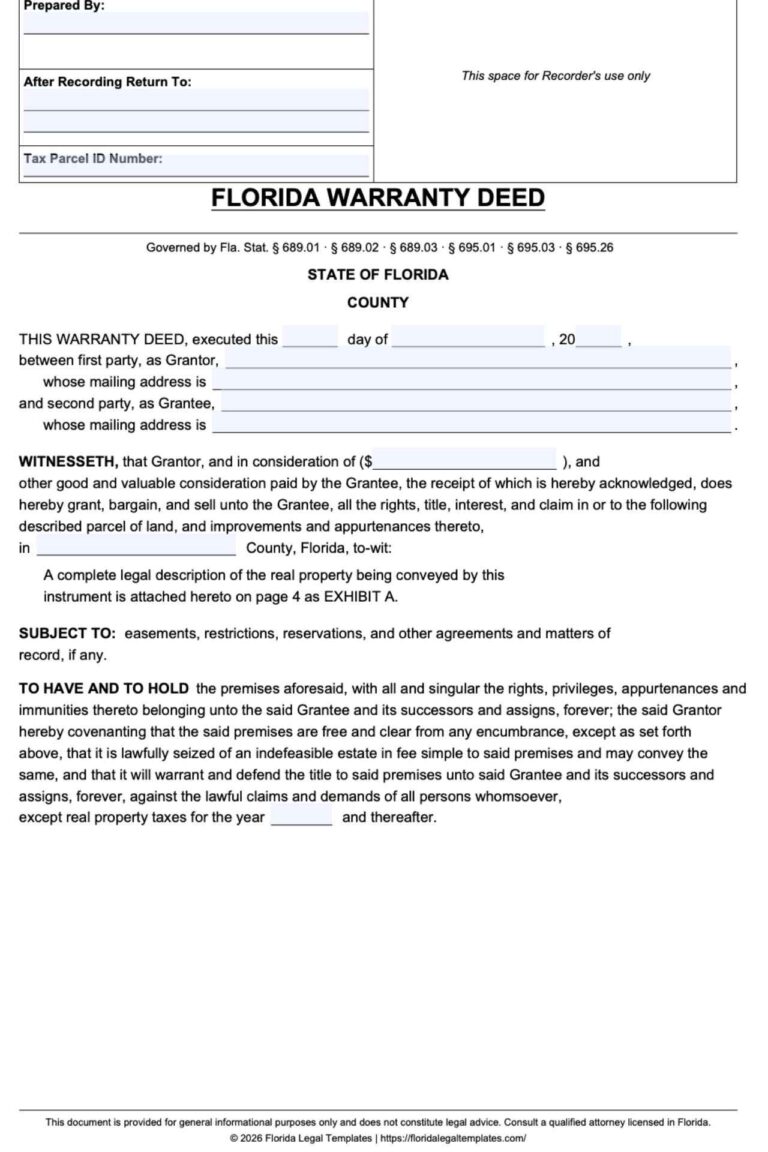
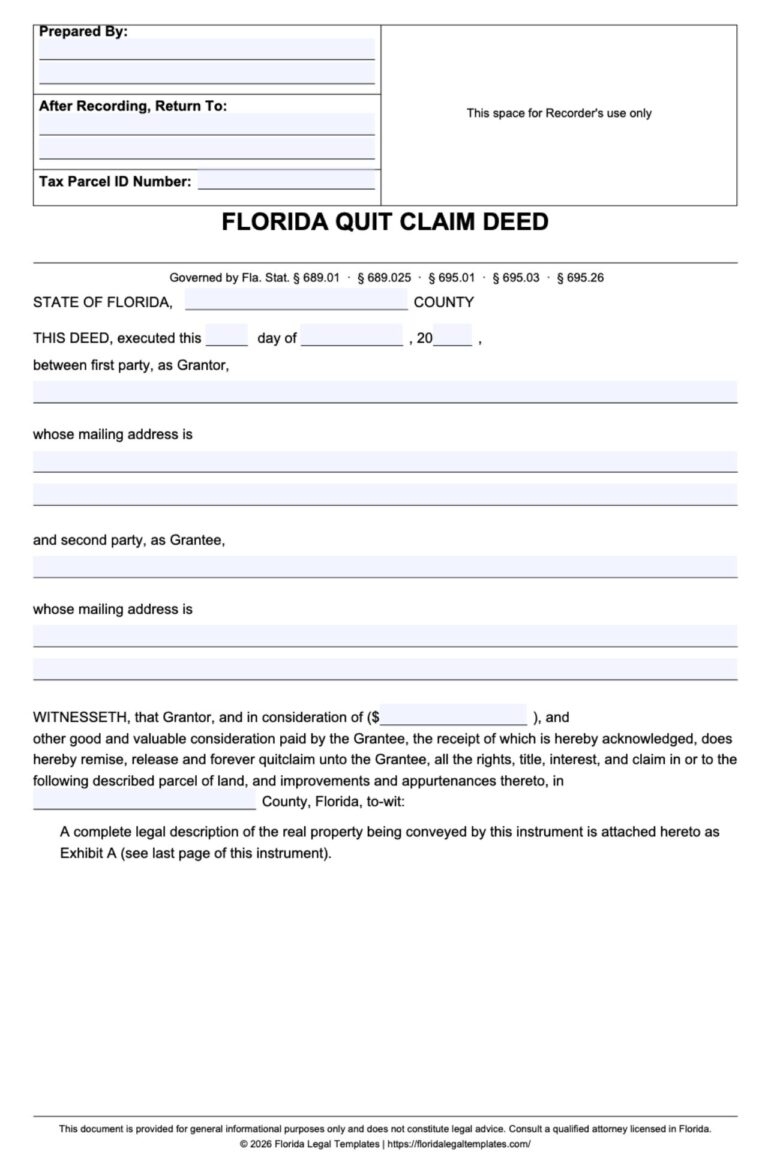
Our guides cover quitclaim deeds, warranty deeds, special warranty deeds, and Florida lady bird deeds, also known as enhanced life estate deeds. These documents have different legal effects. A quitclaim deed, for example, generally transfers whatever ownership interest the grantor has without providing the same title warranties associated with a warranty deed. An enhanced life estate deed may allow an owner to retain certain rights during life while providing for a transfer at death, if properly created and executed.

A deed should reflect the intended transaction and comply with the applicable requirements. Before changing ownership of real estate, consider existing mortgages, co-owners, tax consequences, and the effect the transfer may have on your broader estate plan.

Review Your Documents Before Signing

Estate planning documents should reflect your current circumstances and intentions. Check names, dates, property descriptions, designated agents, beneficiaries, and other important details for accuracy. Consider whether major life changes—such as marriage, divorce, a new child, a property purchase, or a change in financial circumstances—mean your existing documents need review.

Do not assume that a document is valid simply because it has been completed. The applicable law may impose requirements for signing, witnessing, notarization, wording, or other formalities. The consequences of an error can be significant, particularly when a document grants someone authority over finances or affects the distribution of property.

Use the individual guides in this category to learn about the purpose of each document and the rules that may apply. If your estate includes substantial assets, a business, property in multiple states, a blended family, or complicated beneficiary arrangements, consider consulting a qualified Florida estate planning attorney.

These resources are provided for general informational purposes and are not a substitute for legal advice tailored to your circumstances.